Discover
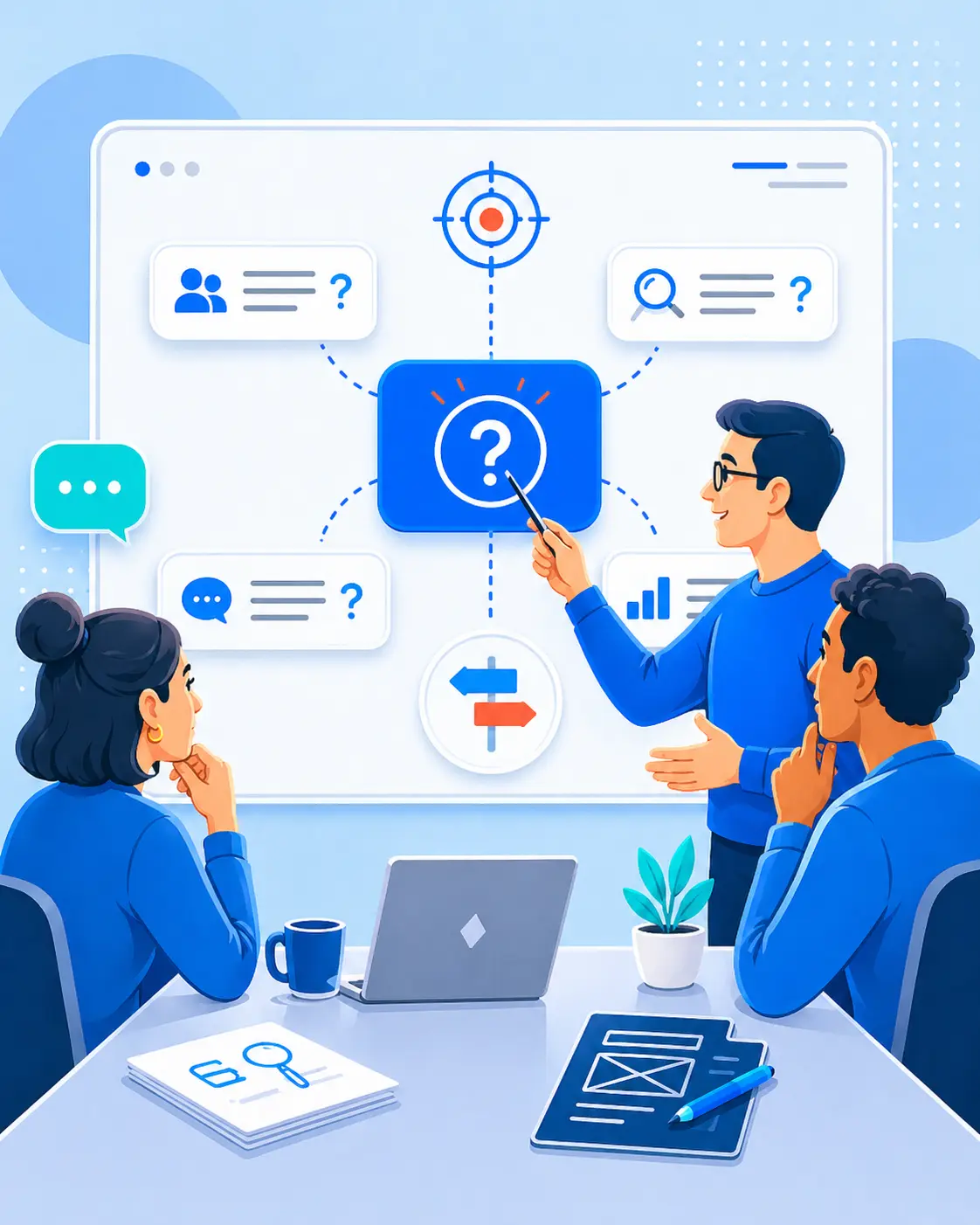
Before I talk with users, launch a survey or usability study, I spend time figuring out what questions are worth asking. The research questions shape everything downstream, so I work with stakeholders to understand what we need to learn. From there we can start thinking about participant demographics and planning the study.
Plan
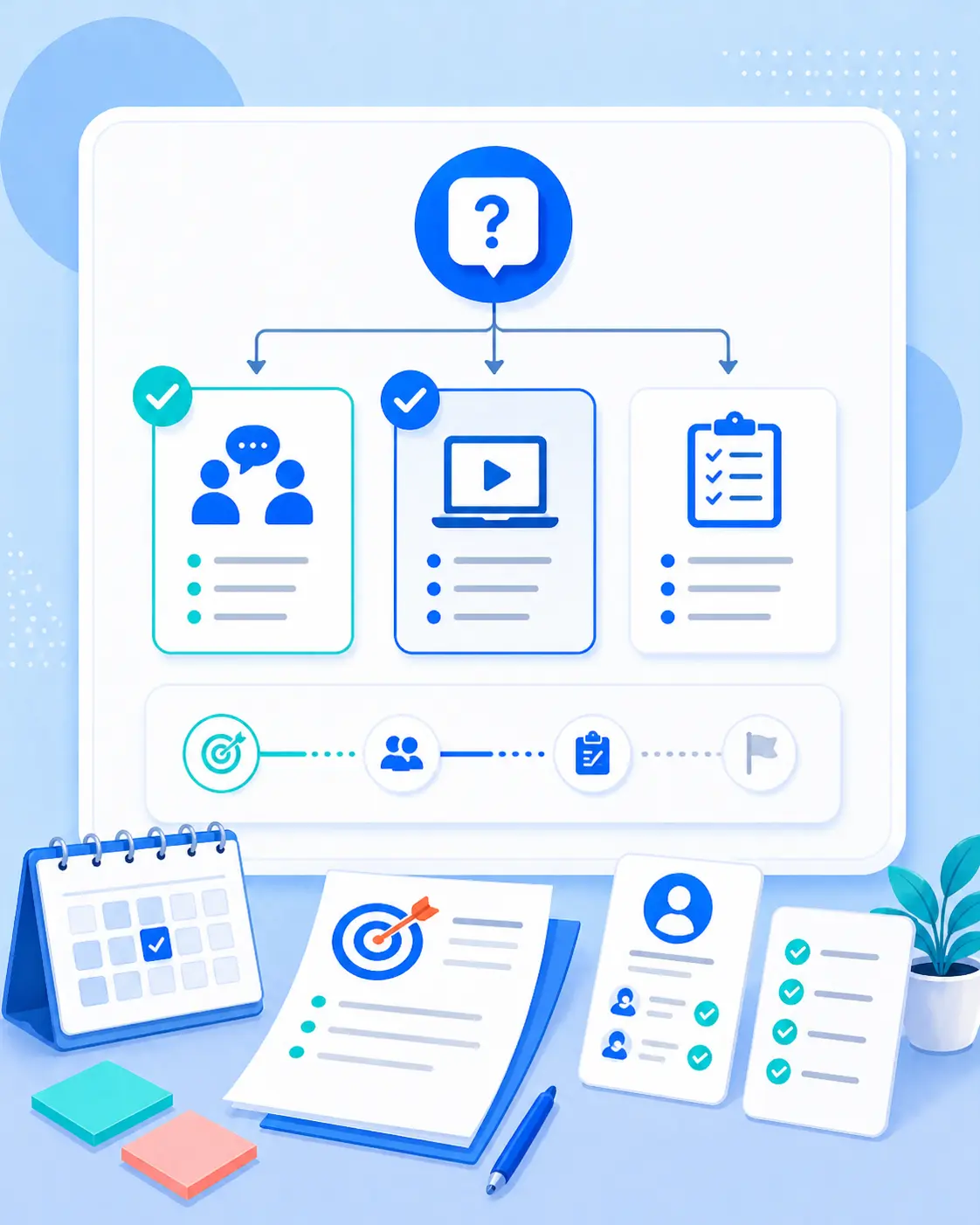
After meeting with stakeholders and identifying participant demographics, I select research methods based on the discussions I had with stakeholders. Sometimes that means moderated interviews, unmoderated usability testing, card sorting or a it could mean something else, like a survey. Regardless of the chosen research methodologies, the methods always follow the business needs and research questions.
Research
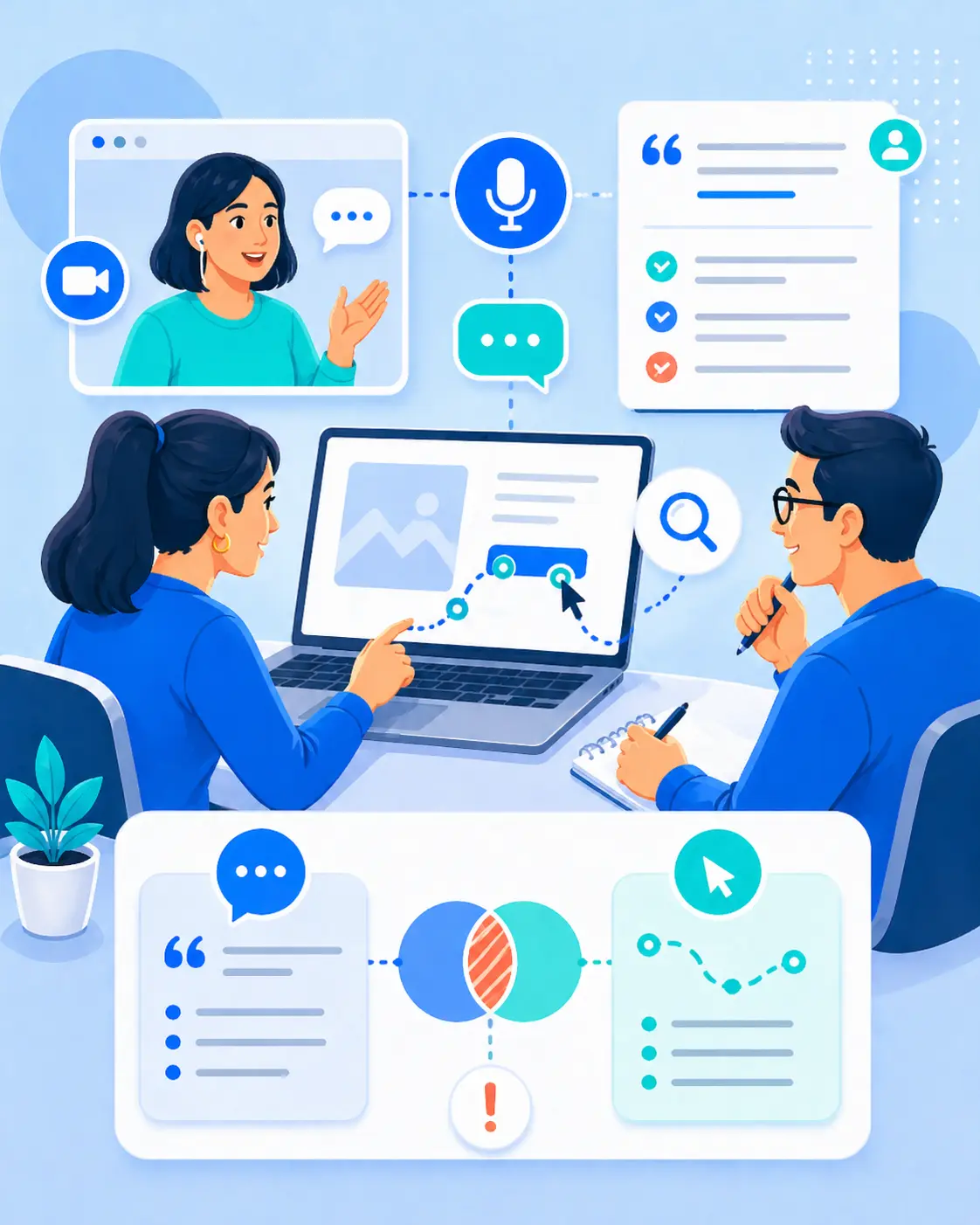
I conduct research: qualitative, quantitative or both (mixed methods). Some of the research methodlogies I use regularly include participant interviews, usability testing, surveys and focus groups. I listen carefully to what people say but also pay close attention to what they actually do. Those two things are often very different, and the gap between them is usually where we can identify the most useful insights.
Analyse
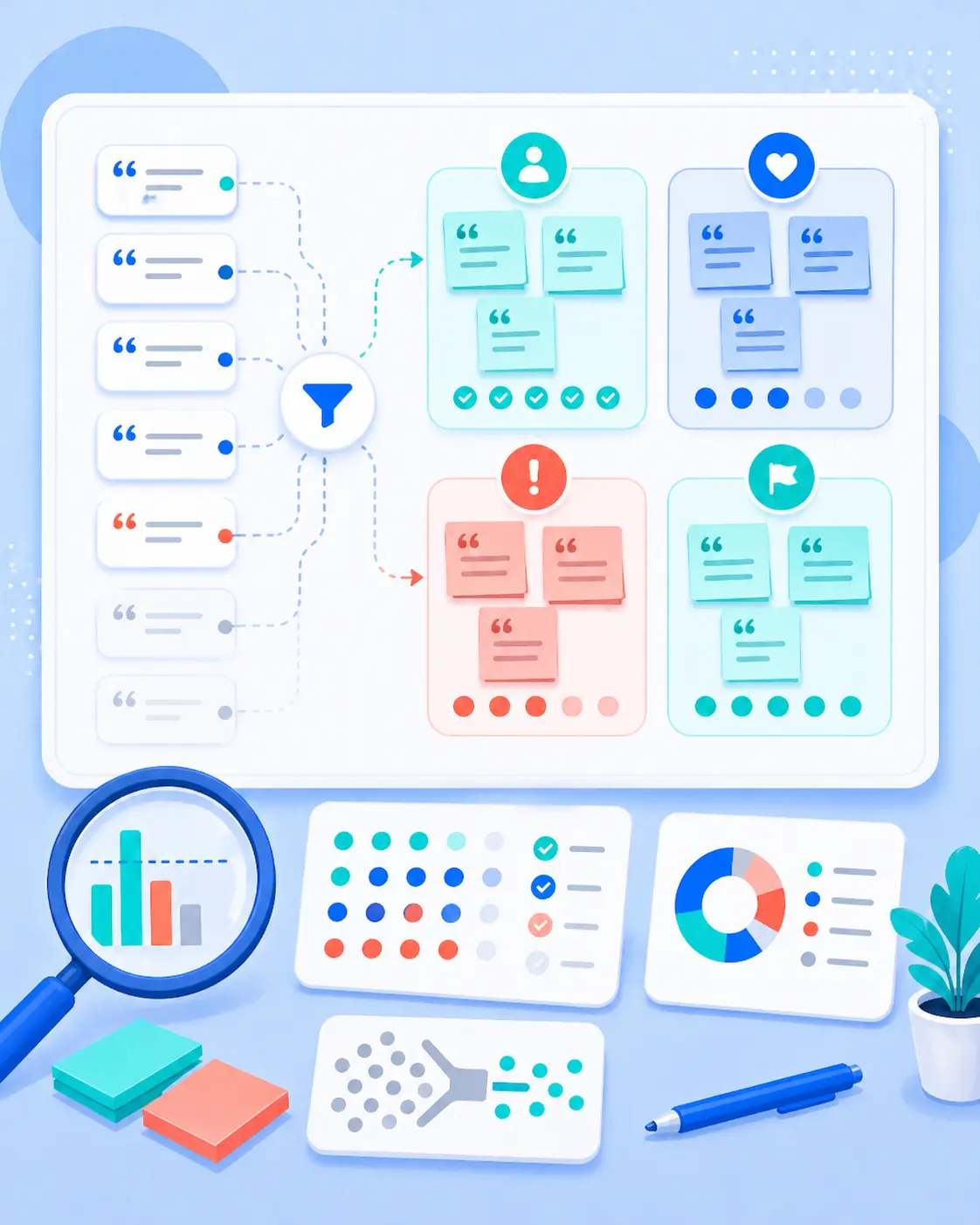
I go through everything I heard and observed and look for patterns that repeat across participants. Individual stories are interesting but patterns that repeat across sessions is most meaningful.
Recommend
I write recommendations that are direct, specific, and grounded in evidence. My goal is to produce a document for the people who have to make business or design decisions and who need to know exactly what the research says, what it means, and how the information can help them in their work.
Lead the Research
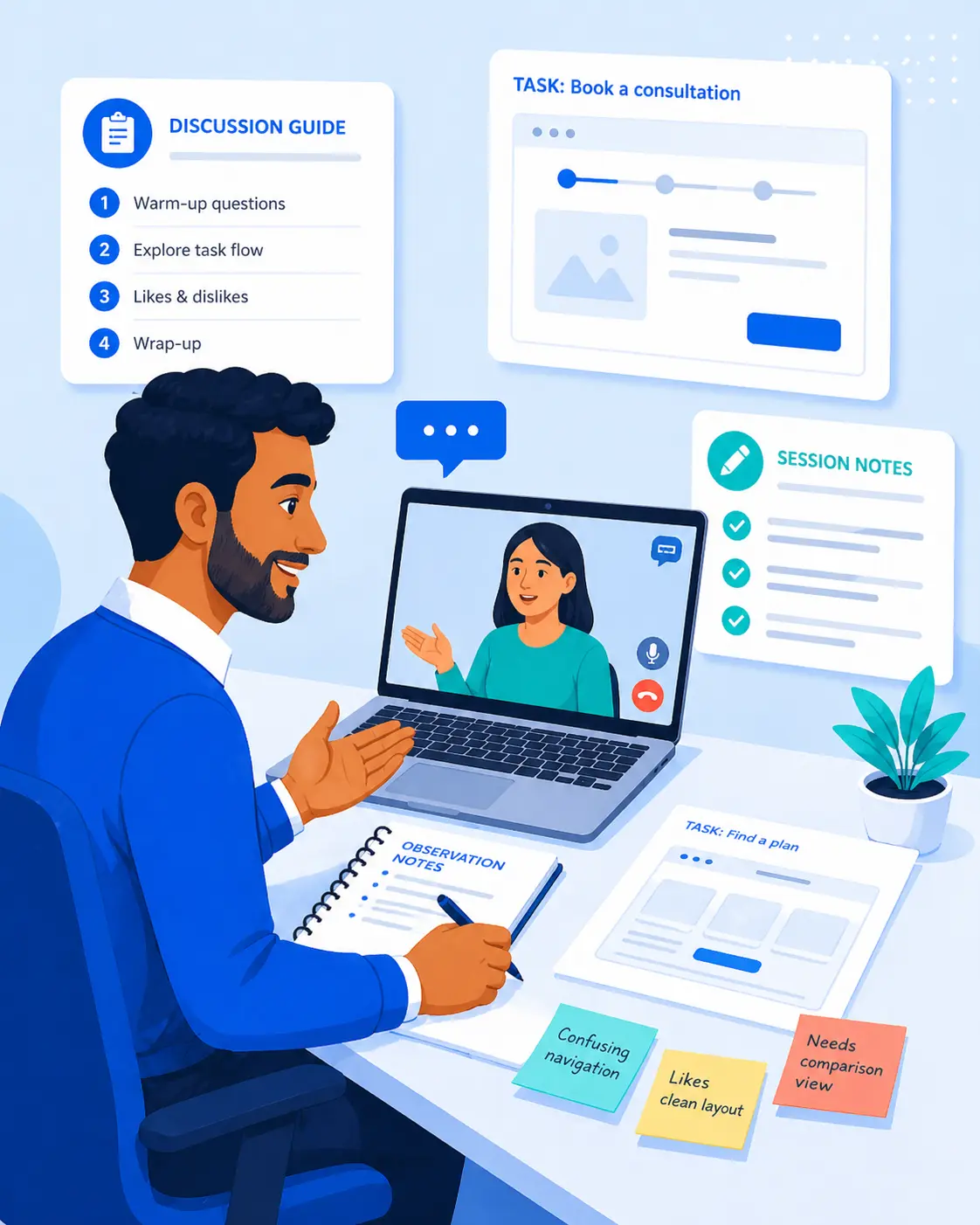
Before an AI touches the data, I design and run the study myself. That hands-on involvement makes my review of the AI output meaningful. I can only catch what the AI gets wrong if I was the one in the room.
Capture and Structure
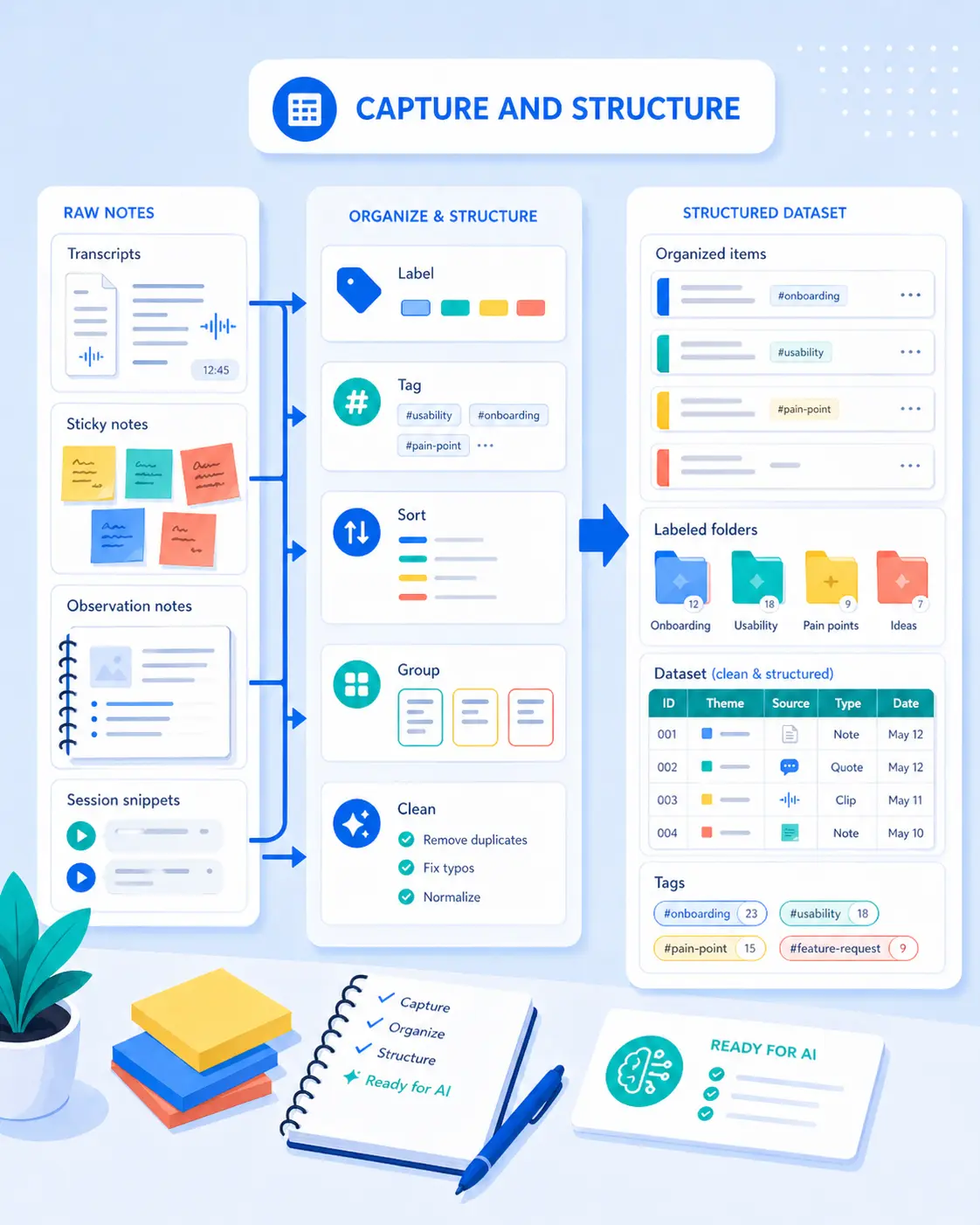
I clean and label the transcripts, organise my notes and structure the data before before feeding it to the AI. Poorly structured input produces poorly structured output.
AI-Assisted Synthesis
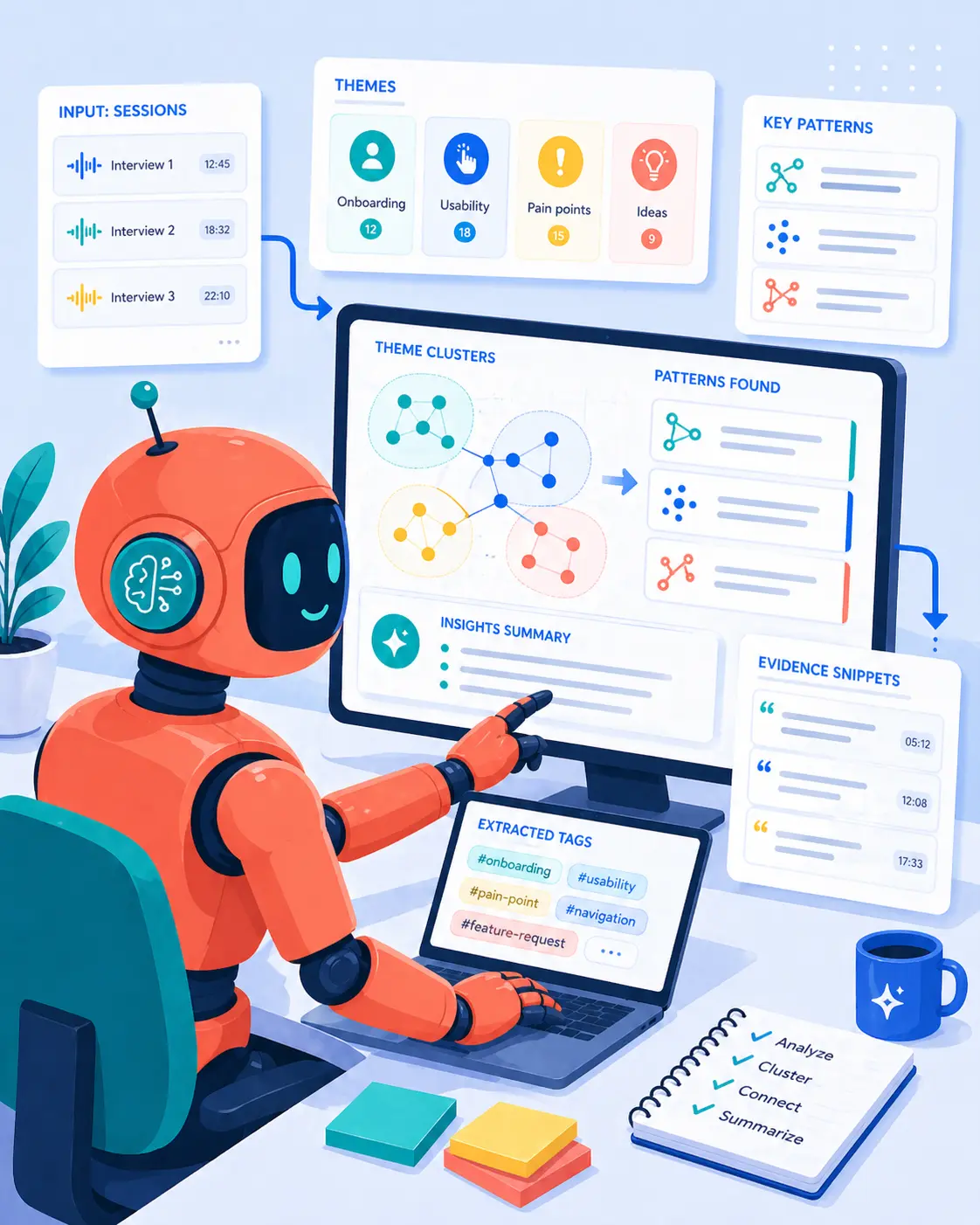
I use AI to help surface patterns and themes that I might have missed. It processes transcripts faster than I can but it can't tell me which patterns matter and which are noise. Human oversight is critical at every step of the process.
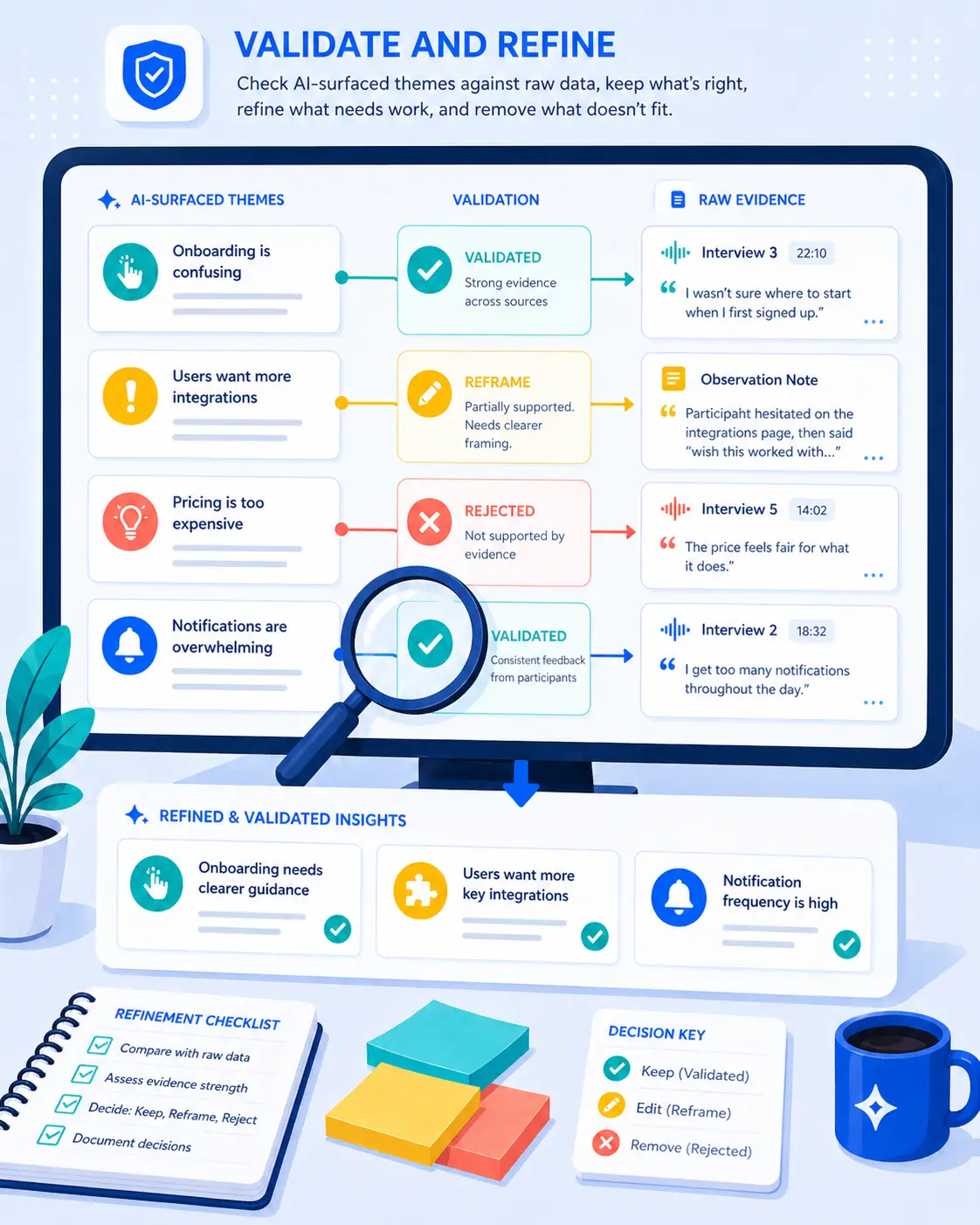
Validate and Refine
I cross-reference the themes surfaced by the AI against the raw data, such as my notes. Some of its output holds up, while other commentary is to be cut, merged or reframed. Combining the machines' output with my understanding and notes is the step where study insights are refined.
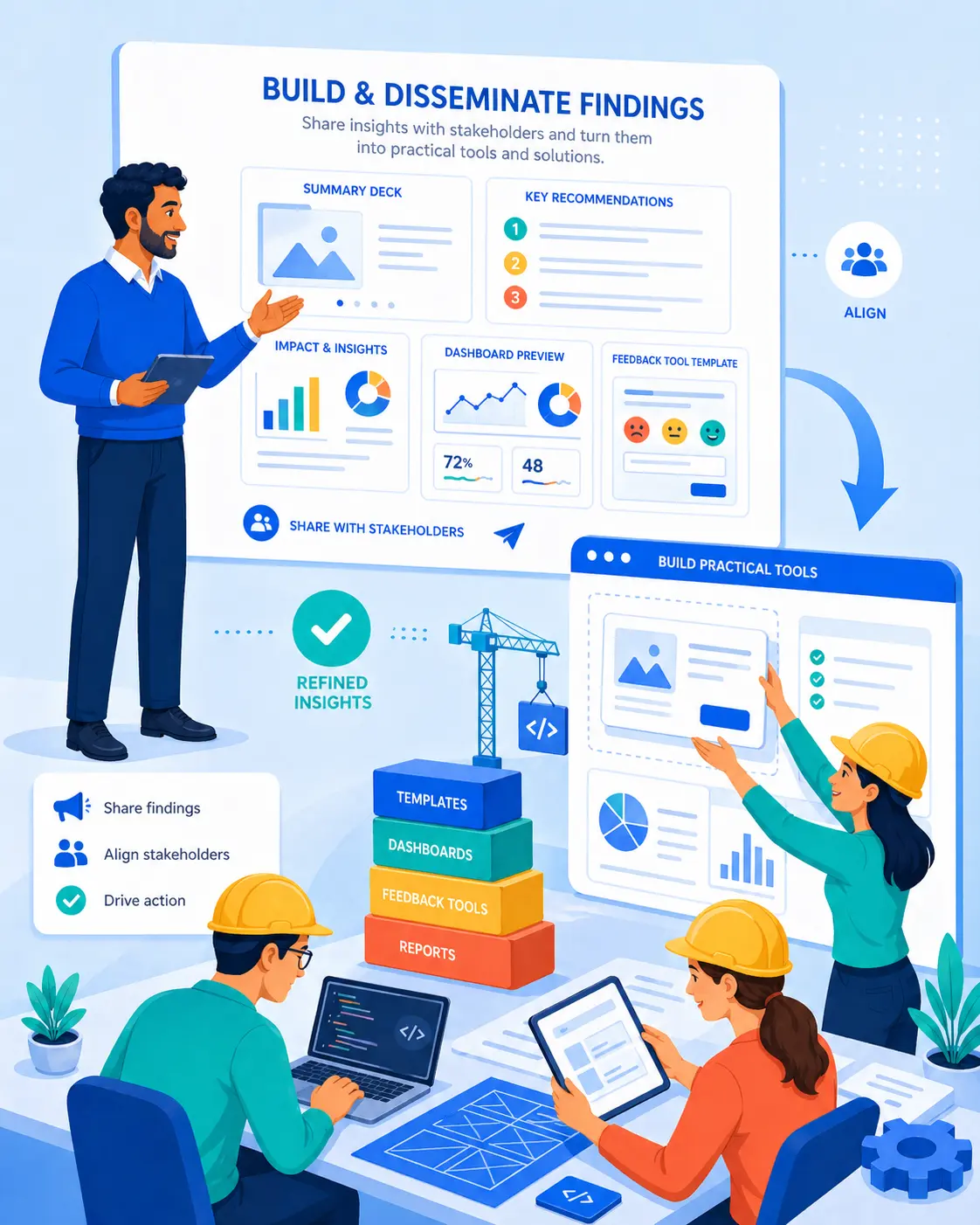
Build and Disseminate
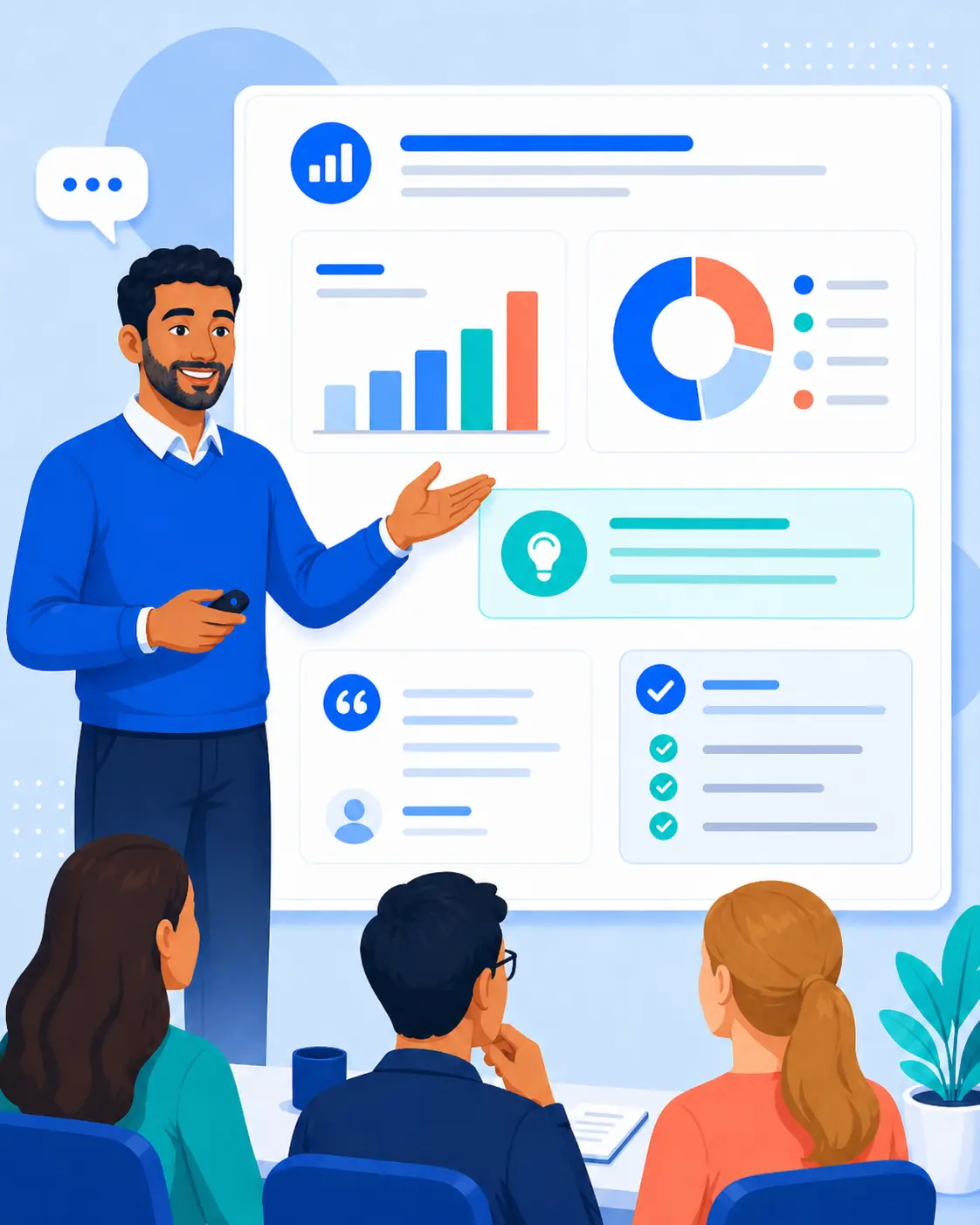
I turn the refined findings into something other teams can use. For example that could be a report in the form of a PDF, a PowerPoint deck or a persona to help guide future business, design and research decisions.
A clear process produces clear results.